
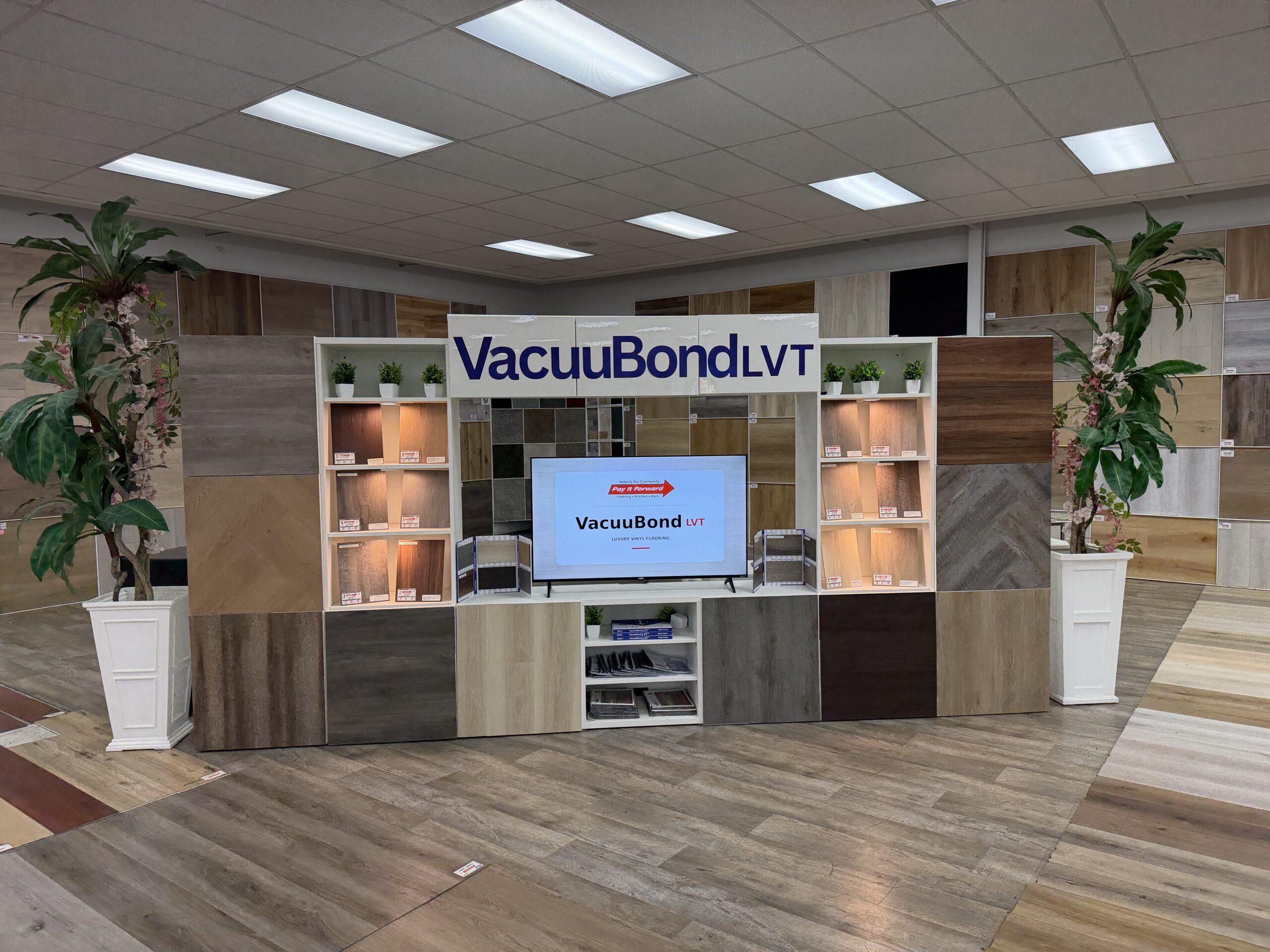
Flooring for rental turnovers needs to be durable, available, easy to clean, cost-effective, and realistic to repair when the next tenant moves out.
Rental turnover flooring has a different job than flooring for a forever home. It needs to look good quickly, control cost, survive tenant use, clean easily, and be replaceable when the next turnover comes. For property managers and landlords in Las Vegas, availability and consistency can be just as important as the product itself.
The best rental flooring plan is built around repeatable decisions: choose a small group of proven products, keep replacement material available when possible, and avoid one-off choices that are hard to match later.
What Rental Turnover Flooring Needs to Do
A rental floor should support speed, durability, and easy maintenance. Before choosing a product, ask:
- How quickly does the unit need to be ready?
- Will the flooring be installed by an in-house crew or contractor?
- Is the unit likely to have pets?
- Is this a long-term rental, short-term rental, apartment, or single-family home?
- Will future repairs require matching the same floor?
- Is the product in stock or special order?
LVP Is Often the Rental Workhorse
Luxury vinyl plank is often the first category to compare for rental turnovers. It is easy to clean, available in neutral wood looks, and many products are designed for water resistance. For kitchens, living areas, hallways, and pet-friendly units, LVP often gives the best balance of durability and practicality.
Look for a product with specs that match the expected use. Wear layer, thickness, attached pad, installation method, and warranty language all matter. A low price is helpful, but a product that fails early is not a good rental value.
Laminate Can Still Work in the Right Units
Laminate can be a strong value in dry areas such as bedrooms, offices, living rooms, and lower-risk rentals. It can offer attractive wood visuals and good surface performance at a competitive price.
The caution is moisture. For units with frequent spills, pet risk, laundry areas, or kitchens with high moisture exposure, compare laminate carefully against LVP. Water-resistant laminate can be useful, but the manufacturer’s instructions should guide where it belongs.
Carpet Still Has a Place
Carpet can still make sense in bedrooms, upstairs areas, and budget-sensitive rental spaces where comfort matters. Carpet remnants can also be useful when only one room needs to be replaced.
For rentals, choose carpet with replacement strategy in mind. If the goal is quick and affordable turnover, easy availability and consistent color may matter more than choosing the most unusual style.
Clearance Flooring Can Help, But Use It Carefully
Clearance flooring can lower material cost, especially for single-room repairs or small units. The risk is future matching. If the product is discontinued or final sale, make sure there is enough material for the job and repairs.
For property managers handling many units, clearance products are best used when the lot size fits a specific project. For standardization across multiple units, normally stocked products are safer.
Standardize Colors and Products
One of the easiest ways to improve rental flooring management is to reduce the number of different floors used across properties. A small palette of neutral products makes repairs easier, speeds up decisions, and helps installers know what to expect.
Good rental flooring colors are usually neutral, forgiving, and broad enough to work with different cabinet, wall, and trim colors. Mid-tone natural wood looks often hide dust and everyday wear better than very dark or very light floors.
Think About Repairs Before the First Install
Replacement material matters. Keep extra boxes when possible, especially for LVP and laminate. Label leftover material by product name, color, unit address, and install date. If a product is discontinued, leftovers may be the only exact match available later.
Installation Quality Still Matters
Fast turnover does not justify skipping substrate prep, moisture checks, expansion gaps, transitions, or manufacturer instructions. EPA remodeling guidance highlights moisture control as an important building issue, and flooring installed over unresolved moisture problems can create larger failures later.
If hiring installation labor in Nevada, property owners can use the Nevada State Contractors Board to verify contractor licensing.
Bottom Line
For rental turnovers in Las Vegas, the best flooring is available, durable, easy to clean, and easy to repeat. LVP is often the safest all-around choice, laminate can be a strong value in dry rooms, carpet still works in comfort areas, and clearance can be useful for the right project. Browse in-stock flooring or contact Pay It Forward Flooring for rental-ready options.
Helpful Sources
FAQ
What flooring is best for rental properties?
LVP is often a strong rental choice because it is easy to clean and handles common wear well. Laminate and carpet can also work when matched to the right rooms.
Should rentals use the same floor everywhere?
Using fewer flooring products across multiple rentals can make repairs and future turnovers easier.
Is clearance flooring good for rentals?
It can be, especially for small projects. For multi-unit consistency, stocked products are usually safer.