
Flooring design & planning · 6 minute read
The installation pattern can change the character of a luxury vinyl floor as much as its color. A quiet, straight layout keeps attention on the room, while herringbone or chevron can make the floor a focal point. Before choosing a pattern for your Las Vegas home, compare the look with the flooring product, room layout, available material, and installation budget.
Start with compatibility: a photograph of a pattern does not mean every luxury vinyl plank can be installed that way. Check the installation instructions for the exact product and have your installer confirm the layout before you order.
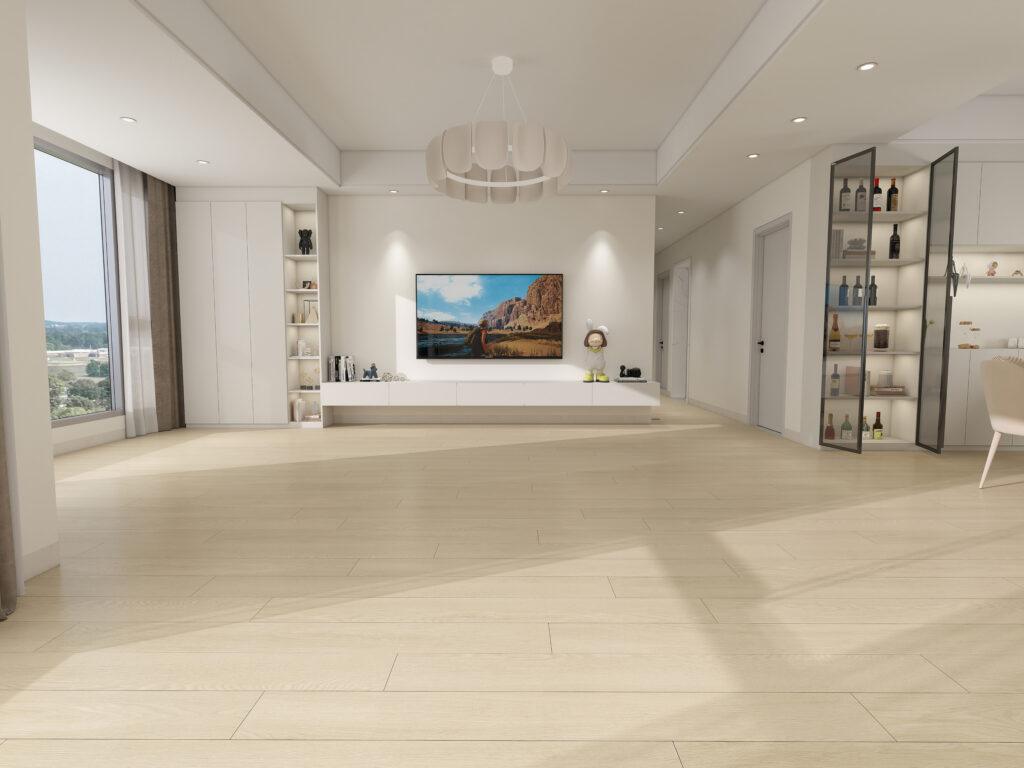
Herringbone vs. chevron: what is the difference?
Herringbone uses rectangular pieces arranged at right angles to one another, creating a staggered zigzag. Chevron creates a more continuous V shape, typically using angled ends that meet along a line. Some vinyl products create these effects through specially shaped pieces or a pattern incorporated into a larger panel. Check the actual construction rather than judging from the product photograph alone.
Both can create a distinctive look, but they are different layouts with different product requirements. A herringbone product is not automatically suitable for chevron, and standard straight-lay click-lock planks should not be assumed suitable for either.
Five luxury vinyl flooring patterns to consider
1. Straight lay with staggered joints
Parallel rows with offset end joints are a versatile starting point for wood-look LVP. This layout lets the plank color and grain do most of the visual work. It is worth considering for open living areas, bedrooms, and projects where a simple transition between spaces is important.
The stagger still needs a plan. Follow the product instructions for joint spacing, minimum piece lengths, and permitted offsets. Avoid choosing a repeating joint arrangement solely because it looks tidy in a sketch; the required layout depends on the flooring system.
2. Diagonal plank layout
A diagonal layout turns the rows relative to the walls. It can be an interesting choice when you want more movement without introducing a zigzag pattern. Before deciding, look at how those angled lines meet doorways, cabinets, and the adjoining floor.
Ask for a separate material and labor estimate for this option. Perimeter cuts can affect material usage, and the room shape influences how much cutting is involved. Diagonal placement does not remove the need to follow the product’s joint and expansion requirements.
3. Herringbone
Herringbone can give an entry, dining room, or living space a strong visual rhythm. Smaller pieces can create a detailed appearance; larger pieces can make the pattern feel more open. Compare the pattern at room scale rather than choosing from a close-up sample alone.
Choose a flooring system specifically approved for the intended layout. Click-lock herringbone may use special components or a defined assembly sequence. Do not cut away locking edges on ordinary planks to imitate a patterned product.
4. Chevron
Chevron’s aligned points create a clear direction through a room. Consider where that direction should lead: toward a window, along a hallway, or toward a central feature. A floor plan helps you evaluate whether the pattern will look balanced at the most visible edges.
Confirm whether the product uses individual angled pieces or larger patterned units, and review how the design repeats. That affects both the finished appearance and the installation plan.
5. Tile layouts, borders, and other designs
Stone-look luxury vinyl tile can offer a different visual direction from wood-look planks. Depending on the approved system, layouts may include a grid, an offset arrangement, or decorative details. Borders and mixed-format designs require compatible dimensions and installation instructions; they are not interchangeable options for every collection.
For more ideas, see Karndean’s illustrated laying-pattern reference. It shows why the flooring format matters when selecting a design. These examples are inspiration, not confirmation of our current stock.
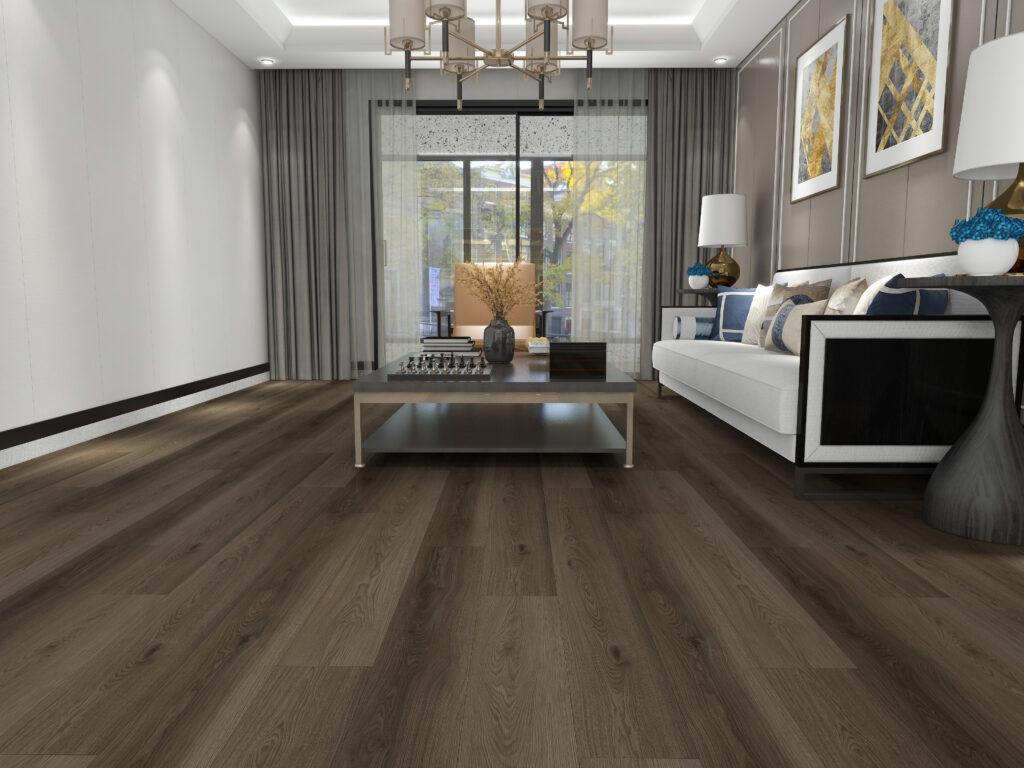
Which direction should vinyl plank flooring run?
There is no single direction that looks best in every room. Start with the longest sightline, the main entrance, natural light, and the spaces that connect to the room. Mark your preferred direction on a floor plan, then consider what happens at each doorway and transition.
For an open-plan home, compare one continuous direction with any planned changes between rooms. Have the installer confirm what the product permits, including transitions and maximum continuous installation dimensions. Appearance should be considered alongside the flooring system’s requirements.
Plan the full cost before choosing a pattern
Compare complete estimates rather than the material price alone. Ask each installer to price the same product, rooms, and layout so you can make a useful comparison.
- Material: room coverage, pattern-related cuts, full-carton rounding, and spare material.
- Preparation: assessment of the existing floor or slab and the work required by the product instructions.
- Installation: layout planning, fitting, cutting, and any specialty pattern work.
- Finishing: transitions, baseboards, stair parts, and other required accessories.
A single waste percentage is not reliable for every pattern. Have your installer calculate the order for the actual room plan, especially for angled layouts or limited clearance lots. Our guide to how much extra flooring to buy explains what to discuss before ordering.
Choosing a pattern for a Las Vegas flooring project
Bring room measurements, photos, and a few inspiration images to our Las Vegas showroom. For a Summerlin living room, Henderson bedroom, or North Las Vegas rental, the useful questions are the same: what look do you want, which products support it, and is there enough material for the complete job?
Use the room visualizer to explore colors and the overall feel of a floor in your space. Treat generated previews as inspiration; they do not establish an approved installation pattern or an exact cutting plan. Compare physical samples before making your final choice.
Questions about LVP installation patterns
Can any click-lock LVP be installed in herringbone?
No. Use a product whose manufacturer explicitly approves herringbone installation. The locking design and installation sequence need to support the pattern.
Does choosing glue-down vinyl mean any pattern will work?
No. Glue-down construction does not make every size, cut, or layout appropriate. Confirm the product’s pattern options, preparation requirements, and adhesive instructions. Read our comparison of glue-down LVT and click-lock LVP when considering the two systems.
Should I choose the pattern or the product first?
Choose them together. If herringbone or chevron is essential to your design, use that requirement to narrow the product search before comparing colors and prices. If you already own the flooring, start with that product’s approved layouts.
Can I use clearance flooring for a patterned project?
Possibly, if the exact product supports the pattern and the available quantity covers the installer’s full material calculation. Confirm both before buying. Do not rely on being able to order an identical lot later.
Your next step
Compare luxury vinyl flooring at our showroom
Browse our luxury vinyl plank flooring, then bring your preferred product names and pattern ideas to Pay It Forward Flooring at 4221 W. Charleston Blvd, Las Vegas, NV 89102. We can help you compare product information and confirm current availability. Ask about specialty pattern options before planning around a particular design.
Contact the showroom or call (702) 361-3700 to discuss materials for your project.