
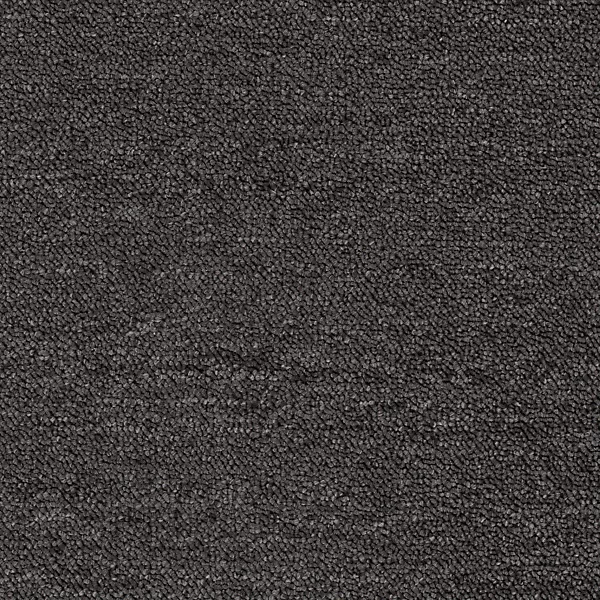
Carpet remnants are leftover pieces of carpet from rolls, special buys, discontinued styles, or previous inventory. They can be one of the best ways to save money on a small room, bedroom, closet, office, rental repair, or quick project. The key is making sure the remnant actually fits the room.
A carpet remnant is not automatically a bad product or a lower-quality product. It is usually a limited piece of carpet sold separately from a full roll. That limited size is what creates both the savings and the need for careful measuring.
When Carpet Remnants Make Sense
Carpet remnants are most useful when the project is smaller than a full roll purchase. They can be a smart option for:
- Bedrooms
- Closets
- Offices
- Rental room replacements
- Stair landings
- Small commercial spaces
- Temporary or budget-sensitive projects
Because remnants are limited, they are best for projects where the available piece is large enough and where future exact matching is not the main priority.
Measure Dimensions, Not Just Square Footage
The biggest mistake with carpet remnants is shopping by total square footage only. Carpet has width and length. A remnant with enough total square footage may still not fit if the dimensions are wrong for the room.
For example, a room may measure 10 feet by 12 feet. That is 120 square feet. But if the remnant is 8 feet wide by 20 feet long, it has 160 square feet and still may not cover the room without seams. Dimensions and seam placement matter.
Bring accurate room measurements and a simple sketch when shopping remnants. Include closets, doorways, hallway connections, and any unusual angles.
Check Carpet Direction and Seams
Carpet has direction. The way the fibers lay can affect how the color appears. If a room needs seams, pieces usually need to be oriented correctly. Patterned carpet adds more complexity because the pattern may need to match.
For simple rooms, remnants can be very straightforward. For large rooms, patterned styles, stairs, or multiple connected spaces, get installation guidance before buying.
Do Not Ignore Carpet Cushion
Carpet cushion affects comfort, feel, and long-term performance. The Carpet and Rug Institute advises checking the carpet manufacturer’s cushion requirements. CRI guidance also explains that cushion thickness and density should fit the carpet type, with different guidance for cut pile, Berber, and commercial carpet.
A good remnant on the wrong pad can still perform poorly. If the carpet style requires a firmer or thinner cushion, follow that requirement.
Inspect the Remnant Before Buying
Before buying a remnant, check:
- Size and shape
- Color consistency
- Backing condition
- Visible stains or damage
- Whether the carpet is rolled and stored properly
- Whether the material is final sale
- Whether the piece is large enough for cuts and trimming
Carpet Remnants for Rentals
Remnants can be especially useful for rental turnovers. If only one bedroom or closet needs replacement, a remnant can keep cost down and help get the unit ready faster. The tradeoff is that matching future rooms may be difficult, so remnants are best used where an exact match is not required across multiple rooms.
Can Remnants Be Bound Into Rugs?
Some carpet remnants can be cut and bound into area rugs or runners, depending on the material and available services. If that is the goal, ask before buying so the size and carpet type make sense.
Bottom Line
Carpet remnants can save money when the dimensions, condition, and carpet type fit the project. Measure carefully, think about seams, choose the right cushion, and confirm final-sale terms. Browse carpet options, check clearance flooring, or contact Pay It Forward Flooring for help matching a remnant to your room.
FAQ
Are carpet remnants lower quality?
Not necessarily. A remnant is usually a limited-size piece, not automatically a lower-grade product.
How do I know if a remnant fits?
Compare the remnant’s width and length to the room layout, not just total square footage.
Do carpet remnants need padding?
Installed carpet usually needs proper cushion unless the product or application says otherwise. Follow the carpet manufacturer’s requirements.