
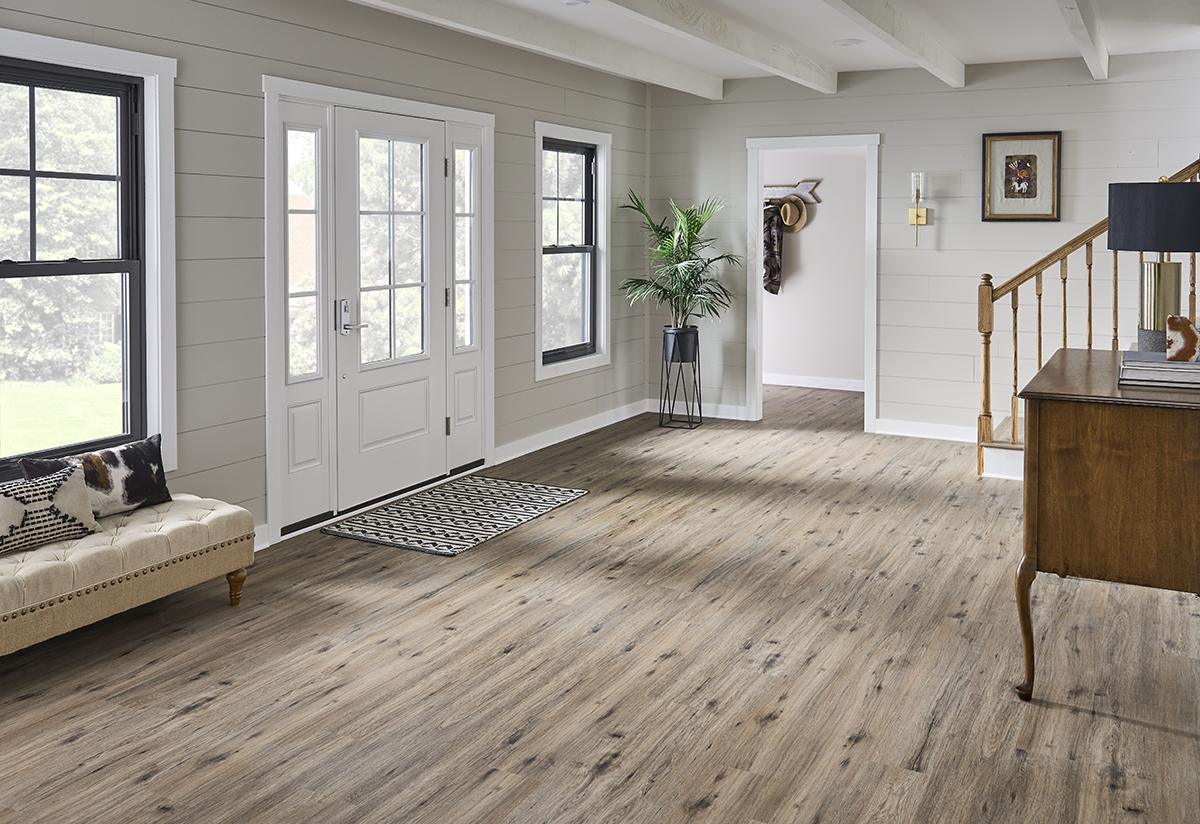
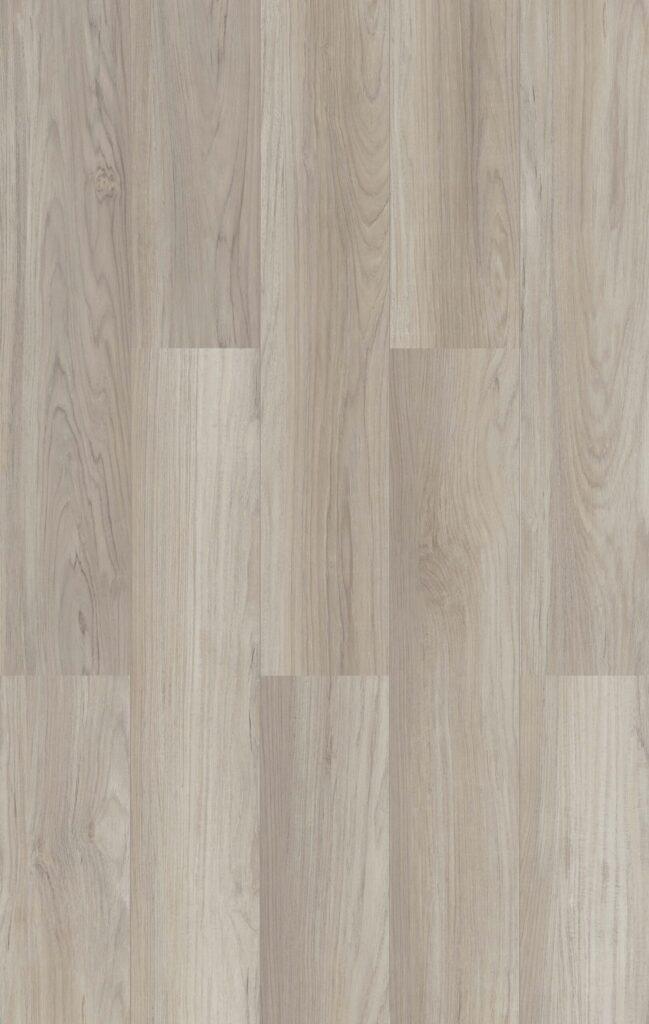
LVP vs laminate is one of the most common comparisons for wood-look flooring in Las Vegas. Both can look good, both can be budget-friendly, and both can work well when matched to the right room. The difference is that they solve different problems.
The short version: luxury vinyl plank is usually the safer choice where moisture and hard use matter. laminate can be an excellent value where scratch resistance, realistic wood texture, and a comfortable residential feel are priorities.
What LVP Is Best At
LVP is a resilient hard-surface floor made to look like wood or stone. Depending on the product, it may have a rigid core, attached pad, click-lock edges, and a protective wear layer. Many LVP products are sold as waterproof flooring, but that should be understood correctly: the plank itself may resist water, but the installation still depends on the subfloor, perimeter conditions, transitions, and manufacturer instructions.
LVP is often a strong fit for:
- Kitchens
- Living rooms
- Rental properties
- Pet households
- High-traffic areas
- Homes where easy sweeping and damp cleaning are priorities
Manufacturer pages for luxury vinyl products commonly emphasize features such as waterproof construction, protective wear layers, easy cleaning, and pet-friendly performance. Those claims still need to be checked product by product, especially when comparing budget lines against heavier-duty products.
What Laminate Is Best At
Laminate flooring uses a high-density core with a photographic visual layer and a protective top layer. Good laminate can have excellent wood visuals and surface texture. It can feel solid underfoot and can be very competitive for bedrooms, offices, living areas, and rental spaces where standing water is not expected.
Laminate is often worth comparing when:
- You want a wood-look floor with strong scratch resistance.
- The room is not a bathroom, laundry room, or wet area.
- You want a thicker floating floor at a strong value.
- You prefer the look or texture of a specific laminate collection.
The key limitation is moisture. Some laminate products are water-resistant, but water-resistant does not automatically mean waterproof in every installation condition. Always check the manufacturer’s instructions for wet areas, cleaning methods, edge sealing, and warranty limits.
Las Vegas-Specific Considerations
Las Vegas homes deal with dust, sun exposure, slab foundations, pets, rental turnover, and heavy daily traffic. In many homes, the choice comes down to how much moisture risk exists and how hard the room will be used.
For a rental living room or kitchen, LVP usually has the advantage because it handles everyday cleaning and moisture better. For a bedroom or low-moisture living space, laminate can be a smart value if the product has the look and durability you want.
EPA remodeling guidance emphasizes moisture control as part of indoor air quality and building durability. That matters for both LVP and laminate: flooring should not be used to hide an active moisture problem. If there is slab moisture, a plumbing leak, or water entering from outside, solve that first.
Compare the Specs, Not Just the Names
Do not choose only by category. Compare the actual product specs:
- Wear layer or surface rating
- Overall thickness
- Core type
- Attached pad
- Water or moisture language in the warranty
- Installation method
- Square feet per box
- Availability and lead time
A better laminate may outperform a very cheap LVP in some rooms. A strong LVP may be a much better choice than laminate in rooms with water exposure. The right comparison is product to product.
Which Costs Less?
Either one can be cheaper depending on the exact product. Look beyond the carton price. Compare square-foot price, waste, underlayment requirements, transitions, moldings, installation method, and whether the product is in stock. Clearance products can change the calculation completely if there is enough material available.
Use a Visualizer, Then Confirm in Person
Both LVP and laminate can look very different under different lighting. Before deciding, use the Pay It Forward Flooring room visualizer, compare samples in the showroom, and look at the color next to cabinets, paint, trim, and natural light.
Bottom Line
Choose LVP when water resistance, easy cleaning, and broad room compatibility matter most. Choose laminate when the room is lower moisture and the product gives you the right mix of look, feel, scratch resistance, and price. If you are unsure, compare both categories side by side in the product catalog or ask the showroom for help narrowing the options.
FAQ
Is LVP better than laminate?
Not always. LVP is usually better for moisture-prone areas. Laminate can be a better value in dry rooms where wood-look texture and surface feel are priorities.
Is laminate okay in Las Vegas?
Yes, laminate can work well in many Las Vegas homes, especially bedrooms, offices, and living spaces. Check the product’s moisture limits before using it in kitchens, bathrooms, or laundry rooms.
Which is better for rental properties?
LVP is often the safer rental choice because it handles common spills and cleaning better, but some laminate products can work well in lower-moisture rental spaces.